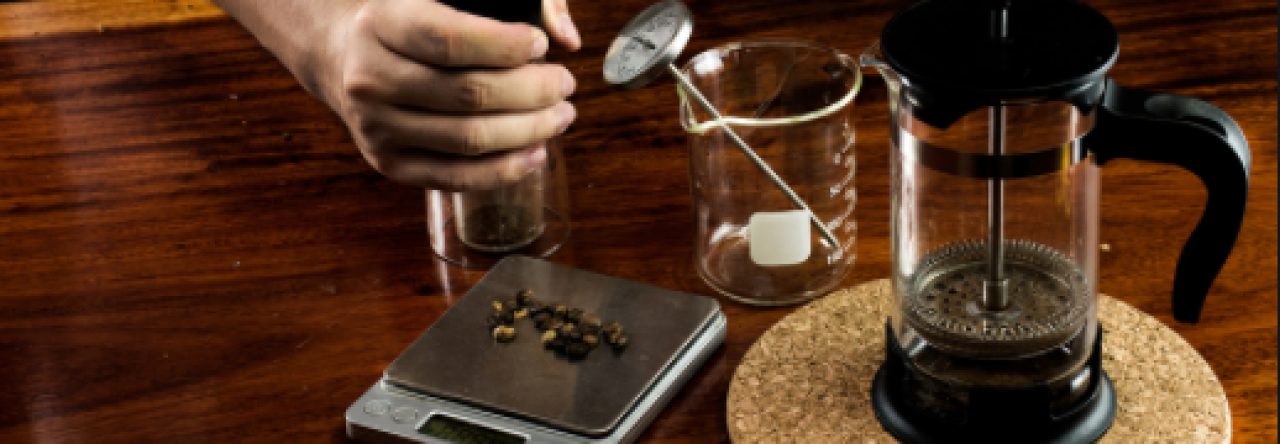
You enjoy a good cup of coffee so much that you’ve invested in the greatest coffee machine money can buy. You’re ready to go on to grinding your own coffee beans to produce that ideal cup of joe. Of course, the question is: which coffee grinder should you buy? When you go shopping, you will notice a vast number of various brands on the market, each with its own set of features, and you will rapidly become confused. Don’t be concerned. Follow along as this article walks you through the complexity of purchasing a coffee grinder with the features that are specific to your needs.
To begin with, coffee grinders are classified into two groups. Burr grinders and blade grinders are two different types of grinders. The key to purchasing a coffee grinder is to be aware of the benefits and drawbacks of each.
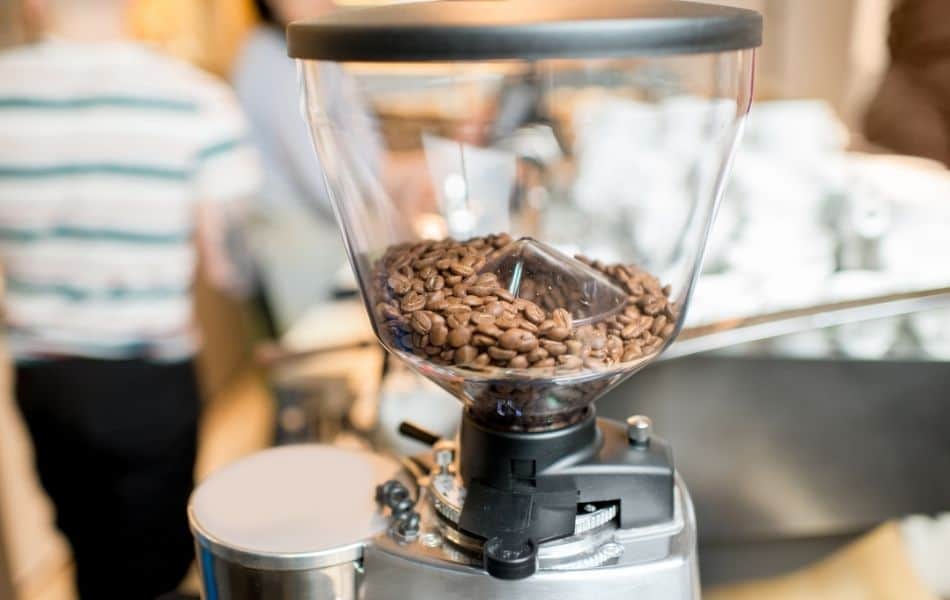
Blade grinders resemble rotary lawn mowers in that they have blades on the bottom that swirl and cut the grass. Blade grinders, on the other hand, use a blade that rotates at extremely high speeds to cut and chop the coffee bean. There are various benefits and drawbacks to using a blade grinder. They’re typically less expensive and last far longer than a burr grinder, which is ideal if you’re on a budget. Blade grinders can also be used to cut and chop other materials like as flaxseed and spices, thus expanding their utility. However, keep in mind that blade grinders can be difficult to clean after being used for spices, as the blades can become thickly coated or discolored. Blade grinders often create a grind that ranges from tiny dust to larger particles of ground beans when it comes to the grind itself.
Burr grinders have an abrasive grinding wheel in the center and a non-moving abrasive outside surface. Between the middle wheel and the outside surface, the coffee bean is ground. A wheel burr coffee grinder and a conical burr coffee grinder are two types of this sort of coffee grinder. The wheel burr grinder is noisier than the conical style because it spins quicker. Burr grinders are more expensive than blade grinders [which, in turn, are more expensive than wheel burr grinders], yet they yield excellent ground coffee beans. Another minor downside is that blade grinders emit greater heat, which may cause the beans to have a burn flavor.
Burr grinders take longer to ground the coffee beans than blade grinders, but the time difference is generally negligible, so unless you’re always in a rush, the burr grinder is still the superior option. When it comes to preparing beans for a normal coffee, blade grinders are fine, but if you want to prepare anything more exotic like espresso, a burr grinder will do a far better job. The coffee bean is ground evenly and coarsely in wheel burr grinders. With a conical grinder, you can usually choose between fine and coarse output. Most coffee aficionados agree that if you can buy a burr grinder, particularly the conical design, you will end up with finer ground beans and better tasting coffee in the long term.
However, while burr grinders may appear to be the greatest option if money is no object, you must keep in mind that they are more difficult to clean than blade grinders. To clean out a burr grinder, you’ll typically need to get in there with a little brush. So, if time is of the essence, you might want to opt for a simple blade grinder to save yourself the trouble. If you absolutely must have that great-tasting coffee, be prepared for the longer and more difficult cleaning operations associated with a burr grinder. You should also bear in mind that burr grinders are typically much larger than blade grinders, so if counter space is limited, you may have to look around for a long time to find one that fits.
There are more features on coffee grinders that you may or may not want in addition to these fundamental features. Some versions include measurement tools that help you figure out how much beans you’ll need for the amount of cups of coffee you wish to create. Others have larger canisters to hold a larger amount of beans to clearly produce a larger number of coffees, while others have automatic timers to grind the beans right before you get up in the morning. Always keep in mind that, aside from the essentials of getting the appropriate grind in your coffee beans, these aspects may dissuade you from investing more money in a better grinder to get a better ground of bean.
Always keep in mind that each style of coffee grinder, such as the blade, burr, and conical, has distinct advantages and disadvantages, which is why we recommend that you select a coffee grinder that meets your specific budget, time, and coffee-loving needs.
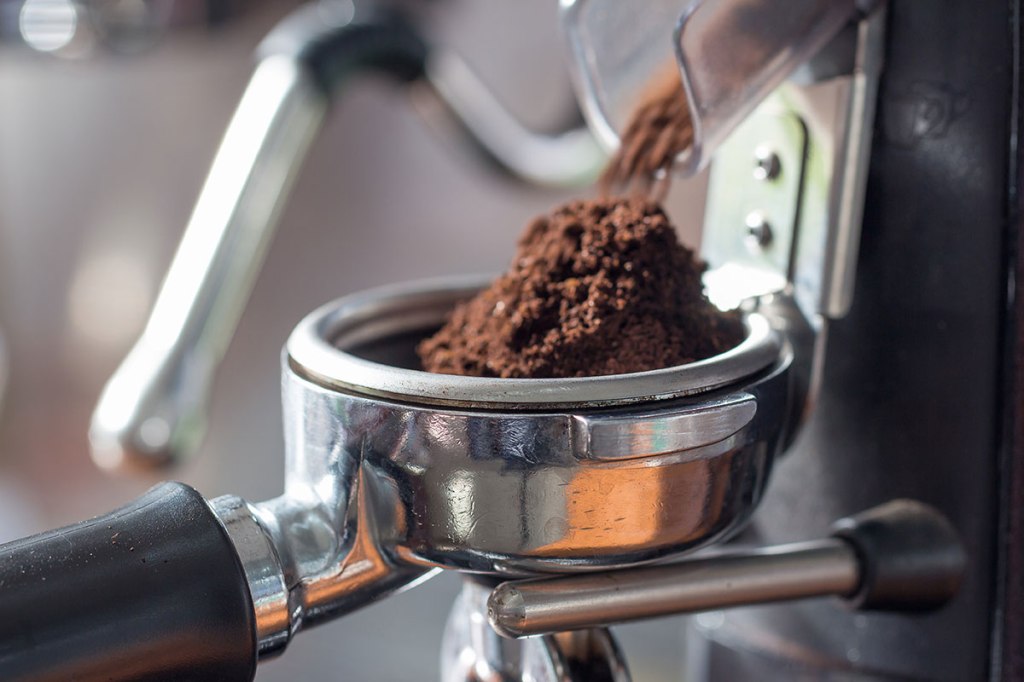
 Use Coffee Grinder